Thursday, October 12, 2017

Built to Last: How a Jersey Kid in Ukraine Found Strength in NY Hardcore

Growing up on the Jersey Shore, I became aware of New York hardcore quite early. There were thriving music scenes all over New Jersey (Asbury Park was just a few beach towns north), and I was surrounded by all sorts of punk-related influences. But, at that point in my life, I found the stuff coming out of New York to be a bit too gritty, too intense.

Albums from Agnostic Front, Sick of it All, Warzone and others intrigued me, but I couldn’t quite relate to the anger, the desperation, the pain. Punk and ska seemed more appropriate. After all, I was a happy-go-lucky surfer kid from a beach bum town with a loving, caring family — I didn’t need hardcore anthems about resilience and persistence in the face of crisis.

That all changed after I moved to Kyiv, Ukraine, in the mid-90s.

“Will you stay with those who will only drag you down? Or do you cut the ties and open yourself and hold your moral ground?”

I was a young teenager, but I didn’t have to look for trouble — it looked for me. Drunk adults trying to pick fights. Gangs of Ukrainian teenagers trying to rob me for anything of value. Neo-Nazi scum with no patience for Americans. Cops looking to snatch up Westerners and shake them down for cash. Mafia types with short tempers, strutting around like they owned the streets. 


I saw a man’s body face down in an apartment complex with his throat slit, the floor puddled with blood. I saw homeless people with rotting sores, packs of wild dogs roaming the streets, a drunk man get his skull crushed by a car.

It frightened the shit out of me. At the time, I didn’t have the coping mechanisms I needed to process it all.

“Side by side we wave the flag of discontent and faith… We stand defiant, we can’t be silent. We might never change the world, at least we’ve had our say. The wheel’s been set in motion as we slowly chip away.”

So I bought a pair of brass knuckles and a cache of switchblades, and I made a pact with myself that I wouldn’t leave the house without at least one knife (preferably two in case I lost the first.) At Gidropark, a dystopian fairgrounds located on an island in the Dnipr River, I found a sand dune where people had constructed a crazy outdoor gym. I began bench-pressing tank treads, curling pipes, deadlifting old truck tires. When I got jumped or chased by Ukrainian dudes calling me a faggot, I was always outnumbered. But at least I could up my odds.

“Brother, I’ll always look out for you… Sister, we’ll brave the outside world…”

To pass time, I would frequently buy cheap Ukrainian cigarettes and beer and roam the streets of Kyiv, looking for places to explore or hunker down. One afternoon I found a sketchy-looking basement with a Slayer poster in a cracked window. Inside, the light was on, and I saw a bunch of music, so I assumed it was some primitive Ukrainian version of a record store. I took a deep breath and entered.

The guy behind the small counter had a cigarette in his mouth, tattoos on his hands, no hair on his head. He said something to me but I just smiled and nodded, hoping he wouldn’t realize I was an American. Most of the albums were thrash metal or bootleg tapes of Michael Jackson and other American pop stars. But one cassette jumped out at me with its simple design of an old, rusty American truck and a dragon logo on the front. Sick of it All’s Built to Last was the first New York hardcore album I purchased, and I paid that scary dude a handful of Ukrainian koupons for it without saying a word. 


“When it’s us versus them, you can always count on me.”

I ran that cassette tape into the fucking ground. Now I could relate to NYHC. Now I understood what these motherfuckers were yelling about. Perseverance, pride, strength, yes, but also devotion, honor, friendship. I didn’t have many friends except for my younger brother, but Sick of It All sang about unity, self-respect, resilience. I needed all of these things in my life.

As a lonely American teenager in Ukraine, those anthems gave me inspiration and strength. The intensity of the sound, the power of the lyrics, the positive aesthetic, it empowered me to spit in the face of chaos and uncertainty. I was still scared as shit, but I told myself I could refuse to let fear control me. 


My brother, three years younger, was in similar situations, and as we listened to the music together, I saw it take a similar toll in his mind. He soon let my sister give him a Mohawk and — holy shit! — random Ukrainian dudes lost their minds over that.

Today, to be honest, this album is not one of my favorite hardcore albums, although I think it holds up quite well. But when it comes to naming the album that has had the most significant impact on my life? No question: Built to Last.

“You’re not in this all alone, just look around and you’ll see. The answer’s right before your eyes. I’m here for you, and you for me… True friends will always be there.”

I made it back to the States after high school and moved to Brighton Beach, Brooklyn. I was broke, working at Kinko’s, and paying my way through college. At night I slept in a basement that cost me $500 a month (under the table, of course) and frequently flooded with sewage. What little cash I had I spent going to CBGBs to watch bands like Agnostic Front, TSOL, Youth Brigade, Sham 69. 


When I heard Sick of It All was playing at CBGBs, I told my boss at Kinko’s I got food poisoning that left me suffering from “violent diarrhea.” She didn’t ask any follow-up questions. Fuck yeah — I had the night off.

Per usual, CBGBs was packed and sweaty as hell. And Sick of It All killed it. The chaos of the crowd combined with the precision of the music, the insanity of Pete Koller’s guitar jumps, and the sincerity of Lou Koller’s belted lyrics. And when they played the song “Built to Last,” of course I thought back to Ukraine in the 90s. 


I had made it out, relatively unscathed, and I was at the home of New York hardcore, watching the band that had helped me power through.

I screamed with Lou until I lost my voice.

Built to Last turned 20 years old this year. And, fuck, I feel old. When I realized the album was turning 20, I had an intense flashback to the specific time and place where I bought that tape. It had been a few years, but I listened to the album and the memories came flooding back in visceral fashion. The music that had inspired me as a 13-year-old still had power.

And you know the best thing about this album and countless other NYHC albums like it? Scared misfit kids from all over the world have stories just like mine.


Long live NYHC.

Tuesday, October 10, 2017

Paso Robles - Beyond Bordeaux & Rhone Reds

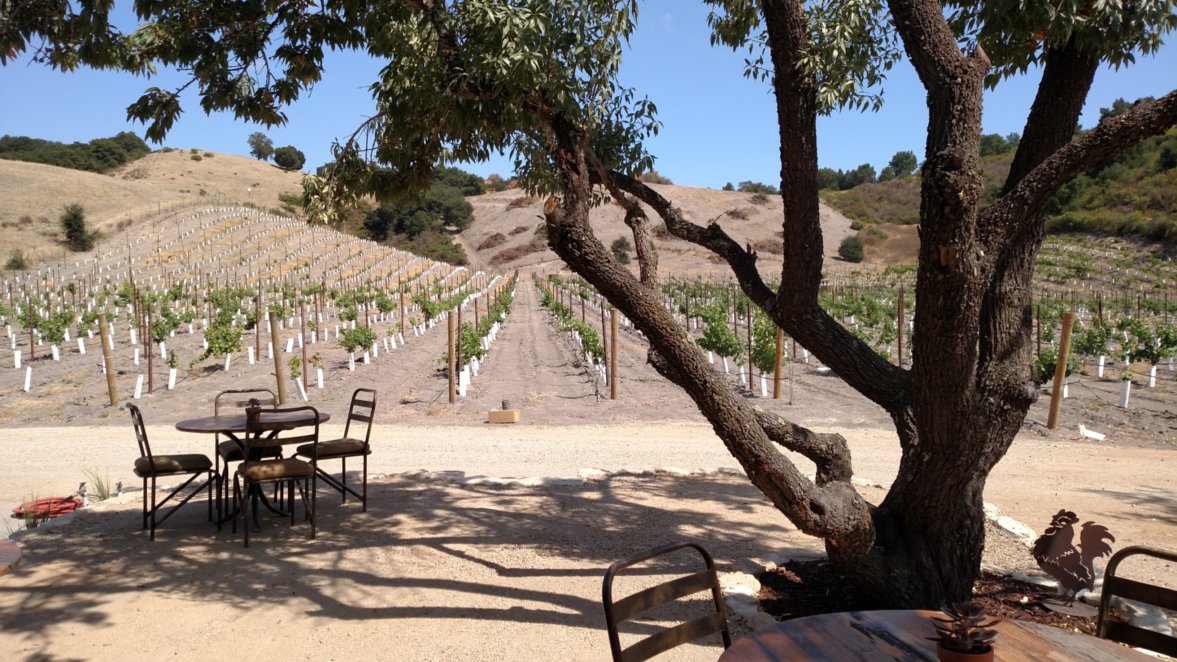
A vineyard in the Templeton Gap District of Paso Robles, which I visited in early September.
Paso Robles built its reputation on big, juicy red wines made from Rhone or Bordeaux varieties. That reputation is well-earned, as there are thrilling Cabs, Syrahs, Mourvedres, and all sorts of blends, coming out of Paso. But, after spending a few days exploring the wine scene in this Central Coast wine region, I came away impressed with lots of wines, made from grapes that might surprise you. And a lot of them are really, really good.

Cabernet Sauvignon is the most widely planted grape in Paso Robles, and Bordeaux varieties make up 55% of the region’s vineyard acreage, according to the Paso Robles Wine Country Alliance. And there are Rhone grapes (Syrah, Grenache, Mourvedre, Counoise, Petite Sirah), all over the place. Add in Zinfandel, and you’ve got most of Paso’s wine covered.

But to focus solely on those wines (as good as they are) would be to miss out on a lot really cool stuff. I found several white Rhones that were salty, brisk and delicious (Grenache Blanc, usually blended, seems to do exceedingly well here.) More producers and releasing rosé, both from Rhone and other grapes, so there are plenty of lively, spicy pinks out in Paso. Then there are wines made from Spanish, Portuguese, and Italian grapes.

Paso’s varied soils and microclimates allow conscientious winegrowers to explore all sorts of grapes for all sorts of wine styles. More than 40 grape varieties are grown in Paso Robles, and there is likely room for growth in that department.

These wines were tasted in Paso Robles, sighted, usually with the winemaker.


2016 Brecon Estate Viognier-Grenache Blanc
$34
The aromas on this white blend pop like crazy with white peaches, green melons, lime zest, floral perfume. Plump and peachy with guava nectar, honey, slight oily note, but also fresh and lively. Medium acid from the Grenache Blanc, juicy honeyed fruit from the Viognier, this is a fun blend with a good combo of oily-honey aspects with crisp, salty aspects. (50/50 Viognier and Grenache Blanc) (89 points)


2015 Brecon Estate Albariño
$30
Bright but tropical nose with white peaches, pineapple, and some almond, sea salt notes. Crisp but nice weight on the palate (a stirred lees character is evident, and adds complexity). Peaches and green melon, orange zest and honey, but a bright salty streak throughout, this is a very pretty and quite complex Albarino. There are a bunch of producers in Paso taking this grape seriously, and it shows. (90 points)


2016 Vino Vargas Albariño Aha!
$24
The nose shows peaches and bright oranges, along with flowers and sea breeze. Zesty and bright on the palate with a dry, mouthwatering feel despite the solid depth of peach and apricot fruit. Flowers and sea salt, drizzled with lime, that’s the finish. Lovely. I’m stoked a bunch of Paso winemakers are taking Albarino seriously, because it can work really well. (90 points)


2010 Denner Viognier
$ n/a
Oily and rich on the nose with almond and lemon curd. Creamy but shows vibrancy. Lemon, quince, almond, hay, candle wax. Oily but not heavy and surprisingly fresh at this age. A great example of how Paso wines (and not just reds), can age very nicely. From winemaker Anthony Yount's first year as winemaker, this is an excellent effort, an eye-opening one for me. (91 points)


2015 Denner Viognier
$48
Aromatics show peaches and lemon curd with brighter floral tones and notes of almond and candle wax. Richness and creaminess is helped by moderate acidity. Peaches and lemon curd blend with spiced tea, honey and almond. Very nice stuff, and an interesting comparison back-to-back with the 2010. (90 points)


2013 Le Cuvíer Viognier
$58
Bold golden color (this is made with significant skin contact). Awesome aromatic blend of honey, almond, olive oil, dried mango, circus peanuts. On the palate this is plush and waxy but actually shows some acidity to balance it out. Plump apricot, mango slices, orange marmalade, I also get flavors of warm honey and tea, almond skin, clove, green tea leaves. Whoa, this is unique, crazy, wild, delicious stuff. It’s made like a red wine and aged 42 months in old oak and served at cellar temperature. Very cool. I could see lots of people disliking this, but I find it fascinating and delicious. (91 points)


2012 Derby Wine Estates Project España
$32
Nose shows fresh red fruits and bright roses. Medium tannins, vibrant acidity, crisp red fruit, this is a spicy, pepper, herb-tinged homage to Spanish Tempranillo-based blends, and it pulls it off well. But it still has this saucy fruit/fresh mineral combo that is uniquely Paso. Really fun stuff. Tempranillo with Graciano, Grenache and Carignan. (89 points)


2015 Wild Horse Blaufränkisch Reserve
$30
The nose is spicy and awesome, with red and blue fruit, laced with cinnamon and dark spiced tea. Plush and juicy on the palate with solid tannic bite and medium/fresh acidity. Lots of spice cake, cinnamon, herbal tea. Seriously deep and fresh. (91 points)


2015 Pasoport Wine Co. Chenin Blanc Per Caso
$27
I was stoked to finally taste a Chenin on this trip, and I was shocked by how good this one was. Nose is super zippy with lemon pith, lime, sea salt, chalk dust. Full of acidity and salinity on the palate but pretty texture and weight as well. Lemon/lime and pineapple blend with crushed shells and rocks, sea spray and almond shell. Really cool stuff. (90 points)


2012 Pasoport Wine Co. Per Caso Iberian Blend
$45
Aromas gush with red and black cherries, blueberries, rolled together with coffee and incense sticks. Great concentration on the palate, sturdy but refreshing, with black cherry and currant compote-style fruit, along with complex elements of clove, spiced coffee, pepper, mint and earth. Long finish, long time ahead, I’m really enjoying this blend of Portuguese grapes. 63% Touriga Nacional, 29% Tinto Cão, 8% Souzão. (91 points)


2013 Pasoport Wine Co. Touriga Nacional Per Caso
$49
Bursting aromas of raspberry jam and red currants, along with spicy clove, sweet herbs and red licorice. Juicy on the palate but nice grip to the tannins, gushing red fruits mix with pepper, charcoal, black tea, cocoa and coffee notes. Per Caso’s Glenrose Vineyard wines are making me think I need to see more Paso wines made from Portuguese grapes, because these wines are firing. 100% Touriga Nacional. (91 points)


2013 Seashell Cellars Balboa Reserve
$25
Love the charred herbs on the nose, and some black cherries, raspberry jam and cocoa powder. Silky, velvety, beautiful texture and nice balance, with lots of crushed blueberries and plums. Notes of mocha, charcoal, herbs, tobacco, and anise. Grippy and forward but delicious and complex, too. Tempranillo-based blend. (91 points)


2016 Clesi Malvasia Bianca San Bernabe
$24
Punchy nose with apricots, mango, floral extract. Floral and bright on the palate with so, so much lychee, and some peach and honey. Dry, super tropical and a bit heavily floral but it stays fresh and goes down easy. (87 points)


2014 Clesi Dolcetto Nevarez Vineyard
$28
Aromas of sweet black cherries, red flowers, cola and tar. On the palate it shows dusty tannins, zesty acid, lots of black cherry and currant compote. Smoky herbal tones meet sweet violets. Delicious, well-balanced example of this grape – very impressive. (89 points)


2014 Clesi Sangiovese
$36
Pretty red currants, violets and roses on the nose, with some spiced berry tea. Pretty, so pretty on the palate with silky tannins, fresh acidity, spicy red currants. Notes of violets, cola, tobacco and rosemary add complexity. Nice stuff. (89 points)


2014 Clesi Convivio
$34
Aromas of red currants and cherries, along with evocative waves of fruit and spice, violets and black tea. Silky, fleshy red fruit with spicy earth, tar and clove flavors on a medium-bodied, sturdy but fresh frame. This producer’s only blended wine, it’s 42% Cabernet Sauvignon, 38% Merlot, 20% Sangiovese. (90 points)


2012 Clesi Aglianico
$36
Wow, the nose is super spicy and awesome with cherries, red currants, pepper, bay leaf, tar. Structured with bold tannins and medium acidity. Grippy but vibrant, delicious but complex with currants, iodine, tar, pepper and leather – lots going on here, and lots to show over the next five years. (90 points)


2013 Clesi Aglianico
$36
Fresher than the 2012, with more juicy cherries, some delicious leather, pepper and sage. Grippy but silky, vibrant acidity. Black cherries and red currants mix with sage, pepper, tar and mocha. Another awesome interpretation of this killer grape. Chris knows his stuff! (90 points)


2013 Clesi Aglianico Amphora
$36
Wow, this is fascinating to taste this next to the one aged in barrel. The amphora adds this airy, floral delicacy to a wine that can be dense and powerful. Spicy floral, lifted aromatics, tarter red fruits. On the palate this has great grip but such freshness and vibrancy. Pretty red fruits and spices – bold flavors but also airy and elegant. (91 points)


This post first appeared on the daily wine blog Terroirist.

Monday, October 9, 2017

Tasty, Inexpensive Puglian Wines from Cantine San Marzano


When I was first legally able to purchase wine, a lot of my early buys hailed from Puglia. These wines were inexpensive, reliably delicious, and they paired with the kinds of food I was cooking at the time (bastardized New Jersey/Italian dishes, mainly).

Puglia is still home to inexpensive, tasty (mainly red) wines, including a lineup from from Cantine
San Marzano. These wines are cost about $17 bucks, and a few of them are seriously good for that price. These wines were received as trade samples and tasted sighted.

2016 Feudi di San Marzano Rosé di Primitivo Tramari - Italy, Puglia, Salento IGT
SRP: $17
Pale copper color. Nose is zesty and bright with white cherry, red apple, nettle, perfume, a mixed garden of green herbs thrown in. Plush presence but fresh acidity. Juicy melon, cherry and red apple mixed with dusty, earthy tones and some peppery spice, which keep it interesting, but it’s also simply delicious. (87 points)


2013 Cantine San Marzano Primitivo di Manduria Talò - Italy, Puglia, Primitivo di Manduria
SRP: $17
Deep ruby. Aromas of spicy red currants, raspberries, rhubarb, pepper, leather, roasted herbs. Juicy but tangy on the palate with medium tannins and medium acidity. Juicy but tangy red currants and tart plums, mixed with baked figs and sweet jammy notes. Notes of coffee grounds, violets, roasted herbs, tobacco pipe, pine resin — cool stuff! Rich and chewy, hint of sweetness, yet stays bright and lively, showing significant complexity and depth. (89 points)


2013 Cantine San Marzano Salice Salentino Talò - Italy, Puglia, Salice Salentino
SRP: $17
Medium purple color. Aromas of roasted figs, dark plums, black cherry jam, a cool mix of coffee, spicy black pepper, and sweet lavender. Good tannic backbone, medium/low acidity, dense with black fruit (currants, blackberries). Laced with graphite, dark chocolate, sweet coffee, cola, incense sticks. A pleasantly earthy quality lingers on the finish. Still quite young and capable of improvement, this is very pretty despite its density. (89 points)


2014 Cantine San Marzano Malvasia Nera Talò Salento IGT - Italy, Puglia, Salento IGT
SRP: $17
Medium ruby color. Aromas of spicy raspberries, juicy black cherries, green herbs, black pepper, some vanilla, too. Fleshy texture, dusty-light tannins, medium-low acidity. Cranberry jam and baked plums and figs mix with rich, hedonistic flavors of sweet cola, vanilla, anise cookie. Ripe, chewy, a bit baked, makes it hard to discern the regional and varietal nuances underneath, but it’s still a fun and tasty wine for near-term consumption. 85% Nergroamaro, 15% Malasia Nera. (86 points)


2014 Cantine San Marzano Negroamaro Talò Salento IGT - Italy, Puglia, Salento IGT
SRP: $17
Medium purple color. Aromas of black cherry ice cream, juicy blueberries, rich and jamy with some anise, tobacco pipe and asphalt notes. Some structured tannins but rounded edges, medium acidity helps balance it out against the loads of black cherries, blackberry and blueberry jam. I love the combination of dark soil, smashed rocks and gravel, and the way it mixes it with coffee, dark chocolate shavings, sweet black pepper glaze. Could open up with a few years but this is good to go, and straight-up delicious. (89 points)


This post first appeared on the daily wine blog Terroirist.

Friday, October 6, 2017

Pure Paso: The Wines of Zenaida Cellars


Zenaida Cellars - Templeton Gap District, Paso Robles, California
Last month I spent a few days immersing myself in the wine culture of Paso Robles, California. I fell in love with the place, the people, and, of course, the wines.

During my trip I spent some time chatting and tasting with Eric and Jill Ogorsolka, the husband/wife duo who own
Zenaida Cellars and make its wines. Zenaida is pure Paso — they produce a range of Zins, Rhone blends and Cabs packed with lush fruit and lots of complex spice elements. Like many of the producers I visited on my trip, they don’t make a ton of wine, and most of it is sold directly to the consumer (through the wine club or the tasting room).

Zenaida is located in the Templeton Gap District, one of 12 appellations within the larger Paso Robles American Viticultural Area. Nestled at the base of the Santa Lucia Range of coastal mountains, the Templeton Gap (a perforation in the coastal ridge) pulls in cool air from the Pacific Ocean, cooling down the vines and allowing for a long, steady growing season. Paso Robles was an ancient seabed, and today the 35-acre property (with 22 acres planted to vines) sits on calcareous and clay soils that impart a real sense of vibrancy to the finished wines. Eric showed me a fossilized whale vertebrae he found one day while plowing his vineyards. 
A fossilized whale vertebrae found in Zenaida's vineyards.

Eric studied at California Polytechnic University at San Luis Obispo and the UC Davis Extension, and worked with Paso pioneer Ken Volk at Wild Horse before starting his own estate project in 1998.

If you’re every traveling to Paso (which I highly recommend), this place would make a great stop.


2016 Zenaida Cellars Force de Fleur - California, Central Coast, Paso Robles
$32
Super zesty and peachy on the nose with limes, daisies and honey. Zesty and spritzy on the palate with saline and chalk dust combining nicely with perfume, orange peel and peach nectar. 55% Grenache Blanc, 45% Viognier. (88 points)


2014 Zenaida Cellars Grenache - California, Central Coast, Paso Robles
$37
Aromas of tangy cherries, rhubarb, roses and pepper – lovely to sniff. Juicy but good tannic weight on the palate and some acidity to help it balance out. Raspberry and red apple fruit is pretty and ripe and mixed well with roasted chestnut, pepper, clay, smoke and olives. Complex and delicious stuff that will get more so with a few years. (90 points)


2015 Zenaida Cellars Zinfandel Estate - California, Central Coast, Paso Robles
$35
Smells like raspberry jam, plum cake, sweet cola, spicy pepper and earth. Juicy and fleshy texture on the palate. The wine is full of lots of red and black cherries, but the savory notes really pop (broth, oregano, soy, tilled soil, spice rub), a really fascinating and delicious flavor profile. Very impressive stuff that should age nicely in the coming few years. (91 points)


2015 Zenaida Cellars Wanderlust - California, Central Coast, Paso Robles
$42
Juicy raspberries and black cherries with some briary, herbal, peppery notes. Full-bodied and bold but impressive balance. Tart plums and black cherry, packed with smoky charcoal, savory spices, oregano, tar, violets, graphite and sweet cola. Delicious, complex, lovely stuff. A blend of 50% Grenache, 35% Syrah, 15% Mourvedre. (91 points)


2015 Zenaida Cellars Syrah Estate - California, Central Coast, Paso Robles
$40
Holy smoky aromatics! Lovely campfire and hot tar notes on top of blackberries and plums. Dark but not heavy with juicy blackberries, along with savory broth, black pepper, barbecue sauce, sage and charcoal. Lovely, complex Syrah with a few years before it hits its stride. (90 points)


2015 Zenaida Cellars Petite Sirah Knucklehead - California, Central Coast, Paso Robles
$42
Deep and bold on the nose with boysenberry, violets, pepper and grilled Portobello mushrooms. Surprisingly juicy and fresh on the palate, this is big but also smooth, even vibrant. Blackberry and boysenberry fruit play well with pepper, clove, violets and anise. All Petite Sirah from three different vineyards. (90 points) 


2015 Zenaida Cellars Cabernet Sauvignon - California, Central Coast, Paso Robles
$40
Aromas of bright red and black currants and cherries, bell pepper and eucalyptus. Solid tannins on the palate with bright acidity. Plummy, tart currants, mixed with bell pepper (not too much), with clove, tobacco pipe and eucalyptus. I would love to taste this again in three to five years. (91 points)


2015 Zenaida Cellars Estate Fire Sign - California, Central Coast, Paso Robles
$45
A richer aromatic display with baked figs and cinnamon. Rich and bold, darker than the plain Cab and their other wines, showing more black fruit but still balanced with vibrant acidity and moderate tannins. Oaky, but it has a lot of other things going on for it, so the oak doesn’t dominate. A blend of 40% Cabernet Sauvignon, 35% Syrah, 25% Zinfandel. (90 points)

Monday, October 2, 2017

Paso Robles’ Dynamic Wine Culture is a Standing Invitation to Wine-Loving Travelers


Kukkula, a dry farmed vineyard, is one of many exciting producers I visited while touring Paso Robles.
In early September, I spent several days digging into the Paso Robles wine scene, and I came back feeling refreshed and inspired about the future of this region. I’ve loved Paso Robles wines for many years, but it remained one of the few California wine regions still on my list to visit. So I was excited to go, and rightfully so — Paso is an exciting place.

It boasts a mix of geographical features, varied soils and microclimates, allowing many different grape varieties to flourish. I found a thriving wine culture marked both by experimentation and tradition, individualism and collective cooperation. It’s easy to see why more and more wine-lovers are visiting Paso Robles.

Paso wines have received large-scale attention, high praise, and high scores from major wine critics for a long time (Justin’s Isosceles and Saxum’s Syrahs come to mind). But another thing that’s great about Paso: there are so many intriguing wines flying well under the radar. With more than 200 wineries, and vineyards that grow more than 40 grape varieties, there’s a little bit of everything happening out here.


Geographically located about halfway between Los Angeles and San Francisco, the Paso winelands are intimately linked with the nearby Pacific Ocean. When I got off the plane at San Luis Obispo airport, the surfer in me grew stoked as I tasted cool, salty air streaming in from Morro Bay. In the morning it may be cool and foggy, but when the sun heats up, winds come whipping over the hills. As grapes here ripen, they get plenty of heat and sunshine, and they also receive plenty of cool, fresh air.

Onshore winds from the ocean get sucked into the Paso Robles appellation through the Templeton Gap, basically a crack in the coastal mountain range that separates Paso from the Pacific. This results in a day-night temperature swing of some 40-50 degrees during the growing season, the largest in California. While I was visiting, the mornings were cold and foggy, the afternoons warm and windy, the evenings cool and long.

A whale vertebrae, found in Paso's Zenaida Vineyards.
Also: Soil. Paso Robles is an ancient sea bed, home to more calcareous and siliceous soils than any other appellation in the state. I picked up fossilized oyster shells and crumbly limestone chunks in vineyards, and I ended my days with white dust all over my shoes. One winemaker showed me a huge fossilized whale vertebrae he dug up while plowing his vineyard, and ancient whale bones and shark’s teeth have been found throughout Paso’s soils. (There are tons of great whites in the areas that I surfed, but I don’t want to talk about that, OK!) Anyway, wines grown in these soils have a trademark freshness and minerality that makes them pop. Most wines feature juicy, ripe fruit, but I was surprised by the refreshing acidity, which made me want to serve these wines on my table, with lots of food.

Yes, there are large producers who release mass-market branded wines, but the real heart of Paso lies in the “boutique” winery. About two-thirds of wineries here produce fewer than 5,000 cases per year, and several of the winemakers I visited release just 1,000 to 2,000 cases annually. The wineries I visited (almost unanimously) sold the vast majority of their wine directly to the consumer.

Bordeaux varieties, led by Cabernet Sauvignon, make up a little more than half of the grapevines planted in Paso Robles, and there are lots of Rhone grapes sprinkled around. I found elegant, age-worthy Bordeaux blends from RN Estate, which I think could fool some people in a blind Bordeaux tasting. Syrah, Grenache and blends from producers like Le Cuvier, Kukkula, and Nelle wowed me with their depth, gorgeous fruit, and complex non-fruit flavors. I found a few wines I felt were too hot or oaky, but those were only a few outliers. In my tasting notes, words like balance, freshness, and vibrancy pop up all over the place.

If you love gobs of rich fruit in your red wines, though, you sure have your choice of high-quality stuff. Russell From, of Herman Story Wines, told me, unabashedly, “All my wines are as big as I can get them.” His densely concentrated Grenache 440 backed up that statement. It’s a massive wave-to-the-face of fruit, but it’s also absolutely delicious and, kind of… balanced?

Ishka Stanislaus' dry-farmed calcareous vineyards have been a long-time source of fruit for reputable Paso producers.
Under his Guyomar Wine Cellars label, he produces estate wines of impressive depth and clarity.
While Bordeaux and Rhone blends (mostly red) have been Paso’s calling card for some time, winemakers are trying all sorts of different grape varieties, crafting wines of wildly different styles. Chris and Adrienne Ferrara, the Italian grape gurus at Clesi Wines, produce spicy, tangy wines that could impress fans of wine from Central and Southern Italy. The Portuguese red blends from Passport Wine Co. are vibrant, spicy, and earthy examples of what is out there. And I found plenty of salty Grenache Blancs and crisp Albarinos that can stand shoulder-to-shoulder with some of the best I’ve tasted from other California regions. And Zinfandel (Paso’s historically dominant grape) can be found throughout the region, made in all sorts of styles.

While visitors may need an appointment to visit many wineries, you’re much more likely to meet the winemaker or owners. You’ll be welcomed in by welcoming people. There must be some clueless tools who work at tasting rooms somewhere in Paso, but I couldn’t find them. I don’t think I saw a single goddamn person in a sports coat, and the drive across the region wasn’t as clogged up by gaudy buildings or corporate billboards. A lot of investment (domestic and foreign) has poured into Paso Robles in recent years, but the place still maintains a work boots and calloused hands appeal. It feels real.

Wine industry folks in Paso Robles told me they’ve seen steady growth in wine tourism, and the
Paso Robles Wine Country Alliance reports the Paso wine industry has an economic impact of nearly $1.5 billion. The word is definitely out, and Paso Robles seems primed for more attention in the coming years.

As I traveled, tasted and ate, one of the things that struck me most was the congenial, collaborative culture of this wine region. There’s a small town vibe, where the local fair is a huge deal, and it seems almost everyone knows almost everyone else. Many winemakers share winery space, vineyard sources, winemaking equipment, interns, knowledge. I’ve heard winemakers in many wine regions discuss the “rising tide that lifts all boats” notion, but in Paso people seem to take that idea quite seriously.

I spent an afternoon tasting wines and doing pump-overs in the winery with Tyler Russell, who produces wine under two labels, Cordant and Nelle. Tyler’s wines are pristine and his tasting room has an artsy, crisp vibe. He is also quite possibly the most relaxed and effortlessly chill winemaker I’ve ever met, so naturally we had a blast drinking and talking about music. His winery is located in Paso’s Tin City, a gathering of warehouses that’s home to a bunch of small winemakers, not to mention a brewery, distillery, art space, restaurant, etc. Tiny City has a walkable, hip atmosphere, and it allows small production winemakers to pool their resources in one area, work together and learn from each other.
 

Tyler Russell of Cordant & Nelle wines.
“There’s definitely a winemaking culture that’s unique to this area,” Tyler said, as he rattled off names of Paso producers whose wines I should taste. Every winemaker in Paso will tell you about five other wines you absolutely have to taste, and maintaining strong relationships with other wineries seems built into the fabric of Paso’s wine ethos. A winemaker recommendation goes a long way here, because so many producers sell so much of their wines direct to the consumer.

This dynamic exists on some level in most wine regions, but in Paso it seems to happen organically. I looked for signs of outcast or scorned wineries, winemakers who hated each other, pockets of cantankerousness, but I came up with nothing. I found a friendly, warm environment, and it enveloped me quickly.

A lot of California wine regions have a special relationship with their local beer scene, and so does Paso.
Firestone Walker has a large facility here, with a brewery, taproom, bottling facility, and store, and their beers have a large presence in the community. Their blonde ale called 805 (after the local area code), has become the de-facto San Luis Obispo brew — you’ll find it everywhere, and you’ll see the logo on t-shirts and bumper stickers around town.

Firestone Walker does something special with local winemakers, though. The brewery hosts a blending competition every year, where Paso winemakers form pairs and get access to Firestone Walker’s extensive barrel-aged beers. The winemakers prepare blends to be blind-tasted by the entire group, and the winner is released as a
vintage-dated “Anniversary Ale.”

During a dinner at Epoch Estate Wines, I spoke with a team of former winners (Jordan Fiorentini of Epoch and Anthony Yount of Denner Vineyards). They talked about their beer blending trials with passion, intensity, and playful competitiveness — it’s clear they take beer blending just as seriously as they do wine blending trials. It was pleasant to see such a respected brewer so supportive of the local winemaking culture, and vice-versa. And I think collaborative efforts like this one have the potential to create a positive feedback loop for both industries.

Eric Ponce, Firestone Walker's Barrel Program
Manager, samples a few barrel-aged brews.

Lastly, Paso’s food scene is working to keep up, because every wine region needs thriving restaurants. Thomas Hill Organics is a classic farm-to-table restaurant that should be a stop on any visitor’s trip to Paso Robles. Somm’s Kitchen is also excellent. It’s a small space with a semi-circle granite table, which allows Sommelier Ian Adamo to show off his wine, food and service chops to customers in an intimate setting. (My favorite dish of the trip was a wild boar and kale frittata, made by Paula Jussila of Kukkula winery — wow.) I wasn’t able to dig deep enough into the food available here, but I’m sure a conscientious wine tourist can find plenty of great local eats.

If you’re a California wine-lover looking for something different, Paso Robles is worth checking out. I know I look forward to going back in the near future to dig deeper, and to watch as this region continues to grow and evolve.

I’ll have more in terms of tasting notes and information about specific producers in the coming days and weeks, so check back if you’re interested. 


Cheers!


This post first appeared on the daily wine blog Terroirist.

Sunday, October 1, 2017

Clos Solène’s French-Inspired Paso Robles Wines


Clos Solene's new estate vineyard in Paso Roble's Willow Creek District.
Sipping brisk rosé, surrounded by brush and herbs and sun-scorched hills, it did remind me of my wine travels in the Languedoc. Clos Solène’s winemaker, Guillame Fabre, was raised in the winemaking business in France’s Languedoc-Roussillon, and the inspiration is evident in his earthy, spicy wines. But Clos Solène is also pure Paso, with plenty of vibrant, juicy fruit.

Kicked off in 2007, and named for his wife Solène, Guillame founded this winery after working as assistant winemaker at nearby Paso Robles’ producer L’Aventure. On a recent trip to Paso Robles, I stopped by this boutique winery’s tasting room, located in the Willow Creek District, and was thoroughly impressed with the wines.

They produce about 1,700 cases a year, and, like many small Paso Robles producers, most of their wine is sold direct to consumer. But if you ever are traveling in Paso or come across a bottle, don’t hold back – these are really great examples of what’s coming out of Paso Robles these days.

Guillame crafts the wines in the Tin City facility, which is something like a super hip version of the Lompoc Wine Ghetto – lots of warehouse space and winery equipment that has nurtured Paso’s cooperative and experimental wine culture.

He sources his grapes from various sites within the Willow Creek District, as well as others, working with some growers to farm the vineyards. When I visited Clos Solène’s estate and tasting room, the new vineyards had just been grafted, but in a few years the winery will have some high quality estate fruit to add to the mix.

Bottles of Clos Solène of aren’t cheap, but boy to they deliver. I’ll have much more on my Paso Robles trip in future posts, but here are my tasting notes on Clos Solène’s lineup. These wines were tasted sighted at the winery.

2016 Clos Solène La Rosé - California, Central Coast, Paso Robles
Peachy, juicy strawberry aromas along with floral perfume. Chalky and bright with crisp strawberries, tart white cherries, mixed with saline and crushed seashells. Fun and delicious but shows serious complexity. A blend of Grenache, Mourvedre and Syrah. (89 points)

2016 Clos Solène Hommage Blanc - California, Central Coast, Paso Robles
$60

Interesting aromas, I get bright and zesty elements of limes mixed with rich tropical fruits and flowers. Plump, rich, waxy texture, but moderate acidity. Juicy pineapple and mango, honey, white flowers and chalk notes. Yum! Aged six months in 40% new French oak, no maloactic. 75% Roussanne, 25% Viognier, from James Berry and Glenrose Vineyards. (89 points)

2015 Clos Solène Pinot Noir L'Imprevu - California, Central Coast, Santa Maria Valley$90
Aromas of candied cherries, strawberries, roses and rhubarb. Bright acid (I love it) with medium tannins, and a frame of tart red fruits (cherry, raspberry). Laced with mineral, rhubarb, raspberry leaf and some cola/coffee woven in so well. Really good Bien Nacido Vineyard Pinot Noir, here. Aged 16 months in 25% new French oak. (92 points)

2015 Clos Solène Harmonie - California, Central Coast, Paso Robles
$85
Spicy red fruit aromas (raspberries, cherries) along with roses, red licorice and black pepper. Grippy tannins on this one, but it’s still suave. Bold but bright, tangy but sweet cherries, blended with pepper and rhubarb. Delicious stuff that will get more complex with a few years. 60% Grenache, 26% Mourvedre, 14% Syrah, this is aged 16 months in 20% new French oak. (90 points)

2015 Clos Solène Fleur de Solène - California, Central Coast, Paso Robles
$70
Beautiful aromatics of black cherries, plums, fig paste, charcoal and black pepper. Bold but velvety, great tannic strength but medium acidity, and I love the tangy black currant and dark plums. Lots of pepper, tar and cocoa powder, and the cedar, coffee and vanilla notes woven in very well. This is very pretty but will get much more so over the next five years. 50% Syrah, 30% Cabernet Sauvignon, 20% Grenache, aged 16 months in 40% new French oak. (91 points)

2015 Clos Solène Hommage À Nos Pairs Reserve - California, Central Coast, Paso Robles
$95
Super juicy aromatics of blueberries and dark plums, lots of graphite, violets, cola. Built so well with strong tannins but crisp acidity. Blueberries and plum cake line up so nicely with sage, charcoal, violets, vanilla and cocoa. This is very young and needs at least five years until maybe it will start to show its best, but this wine really wowed me. 95% Syrah, 3% Grenache, 2% Viognier, aged 23 months in 70% new French oak. (93 points)

2015 Clos Solène L'Insolent - California, Central Coast, Paso Robles
$95
Deep purple color and bold on the fruit aromatics (cassis, blackberry, plum cake), along with some cedar, earth, vanilla. Serious structure on this one with grippy tannins, medium acidity, and tangy but big fruit (plum, cassis, blackberry). I get lots of cocoa, roasted chestnut, eucalyptus and charcoal complexities. Built and aligned well but this is years away from its prime drinking window. Should be gorgeous in five to eight years. 70% Cabernet and 30% Petit Verdot from westside Paso Robles vineyards, aged 23 months in 70% new French oak. (93 points)

2015 Clos Solène Sweet Clementine - California, Central Coast, Paso Robles
$60
This Brandy-fortified dessert wine smells like raspberry jam and candied raspberry along with chocolate. Rich but not too sweet on the palate with low acidity, juicy raspberry and plum cake. Notes of vanilla, coconut and coffee. Fun stuff. Grenache but 3% Syrah, aged 14 months in neutral French oak. (88 points)