Monday, October 2, 2017

Paso Robles’ Dynamic Wine Culture is a Standing Invitation to Wine-Loving Travelers


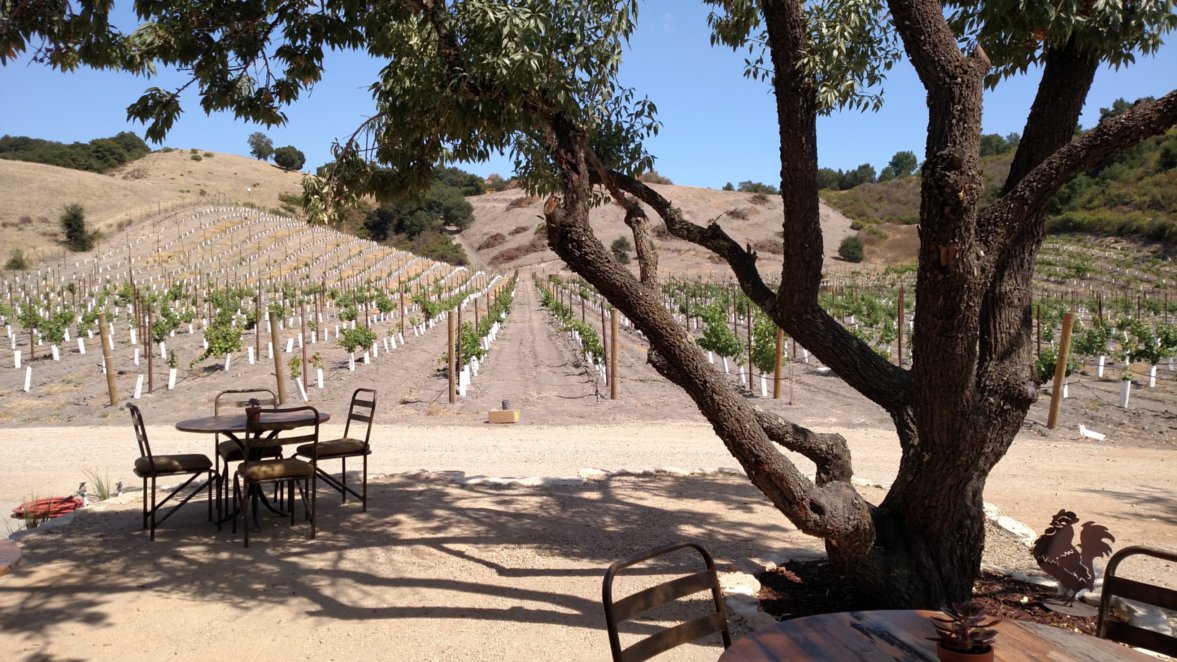
Kukkula, a dry farmed vineyard, is one of many exciting producers I visited while touring Paso Robles.
In early September, I spent several days digging into the Paso Robles wine scene, and I came back feeling refreshed and inspired about the future of this region. I’ve loved Paso Robles wines for many years, but it remained one of the few California wine regions still on my list to visit. So I was excited to go, and rightfully so — Paso is an exciting place.

It boasts a mix of geographical features, varied soils and microclimates, allowing many different grape varieties to flourish. I found a thriving wine culture marked both by experimentation and tradition, individualism and collective cooperation. It’s easy to see why more and more wine-lovers are visiting Paso Robles.

Paso wines have received large-scale attention, high praise, and high scores from major wine critics for a long time (Justin’s Isosceles and Saxum’s Syrahs come to mind). But another thing that’s great about Paso: there are so many intriguing wines flying well under the radar. With more than 200 wineries, and vineyards that grow more than 40 grape varieties, there’s a little bit of everything happening out here.


Geographically located about halfway between Los Angeles and San Francisco, the Paso winelands are intimately linked with the nearby Pacific Ocean. When I got off the plane at San Luis Obispo airport, the surfer in me grew stoked as I tasted cool, salty air streaming in from Morro Bay. In the morning it may be cool and foggy, but when the sun heats up, winds come whipping over the hills. As grapes here ripen, they get plenty of heat and sunshine, and they also receive plenty of cool, fresh air.

Onshore winds from the ocean get sucked into the Paso Robles appellation through the Templeton Gap, basically a crack in the coastal mountain range that separates Paso from the Pacific. This results in a day-night temperature swing of some 40-50 degrees during the growing season, the largest in California. While I was visiting, the mornings were cold and foggy, the afternoons warm and windy, the evenings cool and long.

A whale vertebrae, found in Paso's Zenaida Vineyards.
Also: Soil. Paso Robles is an ancient sea bed, home to more calcareous and siliceous soils than any other appellation in the state. I picked up fossilized oyster shells and crumbly limestone chunks in vineyards, and I ended my days with white dust all over my shoes. One winemaker showed me a huge fossilized whale vertebrae he dug up while plowing his vineyard, and ancient whale bones and shark’s teeth have been found throughout Paso’s soils. (There are tons of great whites in the areas that I surfed, but I don’t want to talk about that, OK!) Anyway, wines grown in these soils have a trademark freshness and minerality that makes them pop. Most wines feature juicy, ripe fruit, but I was surprised by the refreshing acidity, which made me want to serve these wines on my table, with lots of food.

Yes, there are large producers who release mass-market branded wines, but the real heart of Paso lies in the “boutique” winery. About two-thirds of wineries here produce fewer than 5,000 cases per year, and several of the winemakers I visited release just 1,000 to 2,000 cases annually. The wineries I visited (almost unanimously) sold the vast majority of their wine directly to the consumer.

Bordeaux varieties, led by Cabernet Sauvignon, make up a little more than half of the grapevines planted in Paso Robles, and there are lots of Rhone grapes sprinkled around. I found elegant, age-worthy Bordeaux blends from RN Estate, which I think could fool some people in a blind Bordeaux tasting. Syrah, Grenache and blends from producers like Le Cuvier, Kukkula, and Nelle wowed me with their depth, gorgeous fruit, and complex non-fruit flavors. I found a few wines I felt were too hot or oaky, but those were only a few outliers. In my tasting notes, words like balance, freshness, and vibrancy pop up all over the place.

If you love gobs of rich fruit in your red wines, though, you sure have your choice of high-quality stuff. Russell From, of Herman Story Wines, told me, unabashedly, “All my wines are as big as I can get them.” His densely concentrated Grenache 440 backed up that statement. It’s a massive wave-to-the-face of fruit, but it’s also absolutely delicious and, kind of… balanced?

Ishka Stanislaus' dry-farmed calcareous vineyards have been a long-time source of fruit for reputable Paso producers.
Under his Guyomar Wine Cellars label, he produces estate wines of impressive depth and clarity.
While Bordeaux and Rhone blends (mostly red) have been Paso’s calling card for some time, winemakers are trying all sorts of different grape varieties, crafting wines of wildly different styles. Chris and Adrienne Ferrara, the Italian grape gurus at Clesi Wines, produce spicy, tangy wines that could impress fans of wine from Central and Southern Italy. The Portuguese red blends from Passport Wine Co. are vibrant, spicy, and earthy examples of what is out there. And I found plenty of salty Grenache Blancs and crisp Albarinos that can stand shoulder-to-shoulder with some of the best I’ve tasted from other California regions. And Zinfandel (Paso’s historically dominant grape) can be found throughout the region, made in all sorts of styles.

While visitors may need an appointment to visit many wineries, you’re much more likely to meet the winemaker or owners. You’ll be welcomed in by welcoming people. There must be some clueless tools who work at tasting rooms somewhere in Paso, but I couldn’t find them. I don’t think I saw a single goddamn person in a sports coat, and the drive across the region wasn’t as clogged up by gaudy buildings or corporate billboards. A lot of investment (domestic and foreign) has poured into Paso Robles in recent years, but the place still maintains a work boots and calloused hands appeal. It feels real.

Wine industry folks in Paso Robles told me they’ve seen steady growth in wine tourism, and the
Paso Robles Wine Country Alliance reports the Paso wine industry has an economic impact of nearly $1.5 billion. The word is definitely out, and Paso Robles seems primed for more attention in the coming years.

As I traveled, tasted and ate, one of the things that struck me most was the congenial, collaborative culture of this wine region. There’s a small town vibe, where the local fair is a huge deal, and it seems almost everyone knows almost everyone else. Many winemakers share winery space, vineyard sources, winemaking equipment, interns, knowledge. I’ve heard winemakers in many wine regions discuss the “rising tide that lifts all boats” notion, but in Paso people seem to take that idea quite seriously.

I spent an afternoon tasting wines and doing pump-overs in the winery with Tyler Russell, who produces wine under two labels, Cordant and Nelle. Tyler’s wines are pristine and his tasting room has an artsy, crisp vibe. He is also quite possibly the most relaxed and effortlessly chill winemaker I’ve ever met, so naturally we had a blast drinking and talking about music. His winery is located in Paso’s Tin City, a gathering of warehouses that’s home to a bunch of small winemakers, not to mention a brewery, distillery, art space, restaurant, etc. Tiny City has a walkable, hip atmosphere, and it allows small production winemakers to pool their resources in one area, work together and learn from each other.
 

Tyler Russell of Cordant & Nelle wines.
“There’s definitely a winemaking culture that’s unique to this area,” Tyler said, as he rattled off names of Paso producers whose wines I should taste. Every winemaker in Paso will tell you about five other wines you absolutely have to taste, and maintaining strong relationships with other wineries seems built into the fabric of Paso’s wine ethos. A winemaker recommendation goes a long way here, because so many producers sell so much of their wines direct to the consumer.

This dynamic exists on some level in most wine regions, but in Paso it seems to happen organically. I looked for signs of outcast or scorned wineries, winemakers who hated each other, pockets of cantankerousness, but I came up with nothing. I found a friendly, warm environment, and it enveloped me quickly.

A lot of California wine regions have a special relationship with their local beer scene, and so does Paso.
Firestone Walker has a large facility here, with a brewery, taproom, bottling facility, and store, and their beers have a large presence in the community. Their blonde ale called 805 (after the local area code), has become the de-facto San Luis Obispo brew — you’ll find it everywhere, and you’ll see the logo on t-shirts and bumper stickers around town.

Firestone Walker does something special with local winemakers, though. The brewery hosts a blending competition every year, where Paso winemakers form pairs and get access to Firestone Walker’s extensive barrel-aged beers. The winemakers prepare blends to be blind-tasted by the entire group, and the winner is released as a
vintage-dated “Anniversary Ale.”

During a dinner at Epoch Estate Wines, I spoke with a team of former winners (Jordan Fiorentini of Epoch and Anthony Yount of Denner Vineyards). They talked about their beer blending trials with passion, intensity, and playful competitiveness — it’s clear they take beer blending just as seriously as they do wine blending trials. It was pleasant to see such a respected brewer so supportive of the local winemaking culture, and vice-versa. And I think collaborative efforts like this one have the potential to create a positive feedback loop for both industries.

Eric Ponce, Firestone Walker's Barrel Program
Manager, samples a few barrel-aged brews.

Lastly, Paso’s food scene is working to keep up, because every wine region needs thriving restaurants. Thomas Hill Organics is a classic farm-to-table restaurant that should be a stop on any visitor’s trip to Paso Robles. Somm’s Kitchen is also excellent. It’s a small space with a semi-circle granite table, which allows Sommelier Ian Adamo to show off his wine, food and service chops to customers in an intimate setting. (My favorite dish of the trip was a wild boar and kale frittata, made by Paula Jussila of Kukkula winery — wow.) I wasn’t able to dig deep enough into the food available here, but I’m sure a conscientious wine tourist can find plenty of great local eats.

If you’re a California wine-lover looking for something different, Paso Robles is worth checking out. I know I look forward to going back in the near future to dig deeper, and to watch as this region continues to grow and evolve.

I’ll have more in terms of tasting notes and information about specific producers in the coming days and weeks, so check back if you’re interested. 


Cheers!


This post first appeared on the daily wine blog Terroirist.

Sunday, October 1, 2017

Clos Solène’s French-Inspired Paso Robles Wines


Clos Solene's new estate vineyard in Paso Roble's Willow Creek District.
Sipping brisk rosé, surrounded by brush and herbs and sun-scorched hills, it did remind me of my wine travels in the Languedoc. Clos Solène’s winemaker, Guillame Fabre, was raised in the winemaking business in France’s Languedoc-Roussillon, and the inspiration is evident in his earthy, spicy wines. But Clos Solène is also pure Paso, with plenty of vibrant, juicy fruit.

Kicked off in 2007, and named for his wife Solène, Guillame founded this winery after working as assistant winemaker at nearby Paso Robles’ producer L’Aventure. On a recent trip to Paso Robles, I stopped by this boutique winery’s tasting room, located in the Willow Creek District, and was thoroughly impressed with the wines.

They produce about 1,700 cases a year, and, like many small Paso Robles producers, most of their wine is sold direct to consumer. But if you ever are traveling in Paso or come across a bottle, don’t hold back – these are really great examples of what’s coming out of Paso Robles these days.

Guillame crafts the wines in the Tin City facility, which is something like a super hip version of the Lompoc Wine Ghetto – lots of warehouse space and winery equipment that has nurtured Paso’s cooperative and experimental wine culture.

He sources his grapes from various sites within the Willow Creek District, as well as others, working with some growers to farm the vineyards. When I visited Clos Solène’s estate and tasting room, the new vineyards had just been grafted, but in a few years the winery will have some high quality estate fruit to add to the mix.

Bottles of Clos Solène of aren’t cheap, but boy to they deliver. I’ll have much more on my Paso Robles trip in future posts, but here are my tasting notes on Clos Solène’s lineup. These wines were tasted sighted at the winery.

2016 Clos Solène La Rosé - California, Central Coast, Paso Robles
Peachy, juicy strawberry aromas along with floral perfume. Chalky and bright with crisp strawberries, tart white cherries, mixed with saline and crushed seashells. Fun and delicious but shows serious complexity. A blend of Grenache, Mourvedre and Syrah. (89 points)

2016 Clos Solène Hommage Blanc - California, Central Coast, Paso Robles
$60

Interesting aromas, I get bright and zesty elements of limes mixed with rich tropical fruits and flowers. Plump, rich, waxy texture, but moderate acidity. Juicy pineapple and mango, honey, white flowers and chalk notes. Yum! Aged six months in 40% new French oak, no maloactic. 75% Roussanne, 25% Viognier, from James Berry and Glenrose Vineyards. (89 points)

2015 Clos Solène Pinot Noir L'Imprevu - California, Central Coast, Santa Maria Valley$90
Aromas of candied cherries, strawberries, roses and rhubarb. Bright acid (I love it) with medium tannins, and a frame of tart red fruits (cherry, raspberry). Laced with mineral, rhubarb, raspberry leaf and some cola/coffee woven in so well. Really good Bien Nacido Vineyard Pinot Noir, here. Aged 16 months in 25% new French oak. (92 points)

2015 Clos Solène Harmonie - California, Central Coast, Paso Robles
$85
Spicy red fruit aromas (raspberries, cherries) along with roses, red licorice and black pepper. Grippy tannins on this one, but it’s still suave. Bold but bright, tangy but sweet cherries, blended with pepper and rhubarb. Delicious stuff that will get more complex with a few years. 60% Grenache, 26% Mourvedre, 14% Syrah, this is aged 16 months in 20% new French oak. (90 points)

2015 Clos Solène Fleur de Solène - California, Central Coast, Paso Robles
$70
Beautiful aromatics of black cherries, plums, fig paste, charcoal and black pepper. Bold but velvety, great tannic strength but medium acidity, and I love the tangy black currant and dark plums. Lots of pepper, tar and cocoa powder, and the cedar, coffee and vanilla notes woven in very well. This is very pretty but will get much more so over the next five years. 50% Syrah, 30% Cabernet Sauvignon, 20% Grenache, aged 16 months in 40% new French oak. (91 points)

2015 Clos Solène Hommage À Nos Pairs Reserve - California, Central Coast, Paso Robles
$95
Super juicy aromatics of blueberries and dark plums, lots of graphite, violets, cola. Built so well with strong tannins but crisp acidity. Blueberries and plum cake line up so nicely with sage, charcoal, violets, vanilla and cocoa. This is very young and needs at least five years until maybe it will start to show its best, but this wine really wowed me. 95% Syrah, 3% Grenache, 2% Viognier, aged 23 months in 70% new French oak. (93 points)

2015 Clos Solène L'Insolent - California, Central Coast, Paso Robles
$95
Deep purple color and bold on the fruit aromatics (cassis, blackberry, plum cake), along with some cedar, earth, vanilla. Serious structure on this one with grippy tannins, medium acidity, and tangy but big fruit (plum, cassis, blackberry). I get lots of cocoa, roasted chestnut, eucalyptus and charcoal complexities. Built and aligned well but this is years away from its prime drinking window. Should be gorgeous in five to eight years. 70% Cabernet and 30% Petit Verdot from westside Paso Robles vineyards, aged 23 months in 70% new French oak. (93 points)

2015 Clos Solène Sweet Clementine - California, Central Coast, Paso Robles
$60
This Brandy-fortified dessert wine smells like raspberry jam and candied raspberry along with chocolate. Rich but not too sweet on the palate with low acidity, juicy raspberry and plum cake. Notes of vanilla, coconut and coffee. Fun stuff. Grenache but 3% Syrah, aged 14 months in neutral French oak. (88 points)

Thursday, September 28, 2017

Wine Reviews: International Grab Bag

This week is another hodgepodge of wines from around the world — mostly from California and New Zealand.

These wines were received as trade samples and tasted sighted.


2014 Grgich Hills Chardonnay - California, Napa Valley
SRP: $43
Light gold color. Pretty aromatics of lemon curd, juicy white peaches, limes, green apples – rich and juicy fruit bit lots of crushed chalk, rocks, minerals, honey butter. Bold and juicy on the palate but vibrant, lip-smacking lovely balance. Tangy lime and lemon play off baked pear, guava, white honey, nougat, vanilla contrast with mountain stream and chalky, dusty minerals. Rich but zesty, with a long, crisp and lightly-toasted finish. A perennial performer when it comes to Napa Chards that I love, and this 2014 (like many other wines from Napa) is excellent. Aged 10 months in 40% new French oak. (92 points)

2014 Mount Veeder Winery Reserve - California, Napa Valley
SRP: $100
Bold purple color. On the nose: black currant, saucy plums, smoky charcoal, black pepper, violets and vanilla. The palate is full and supported by a deck of solid tannins, although some moderate acidity and juicy fruit help balance it all out. Black currant, tangy blackberries, roasted fig paste, the fruit melds with charcoal, vanilla, cedar shavings, cocoa powder, and dark roast coffee grounds. Complex, long, mineral and earth finish – those mountain vineyard qualities really show through in this wine. Delicious but this will really improve over the next four to five years easily, and hold for quite some time. Cabernet with 7% Malbec and 4% Petit Verdot, aged 20 months in all new French oak. This is a reliably excellent wine, vintage in and out, but the 2014 is gorgeous. (93 points)

2014 Franciscan Estate Magnificat - California, Napa Valley
SRP: $55
Vibrant purple color. Aromas of violets, sage, lavender, cola and cedar on top of plums and tangy black currants. Bold and punchy, chewy tannins, but surprising freshness. Plush but tangy black currants and blackberries, laced with cedar, cocoa powder, charcoal and iron. Notes of cedar, star anise and cola woven in nicely, with a deep, earthy finish. Lovely but could use two-to-four years of cellaring. 75% Cabernet Sauvignon blended with Merlot, Malbec, Petit Verdot and Cabernet Franc, aged 20 months in 70% new French oak. (91 points)

2015 Shafer TD-9 - California, Napa Valley
SRP: $60
Deep purple color. Rich waves of blackberry and black cherry on the nose, fig paste, violets, vanilla, rocky notes and potting soil. The palate is velvety and suave, solid tannic structure but so, so smooth, with moderate acidity. Black cherry, cassis, wild blueberry, gorgeous fruit, laced with graphite, violet petals, pencil lead, clove, and backed up with vanilla bean and coffee. Long life ahead but surprisingly gorgeous right out of the bottle. A blend of 56% Merlot, 28% Cabernet Sauvignon, 16% Malbec. Aged 20 months in all new French oak. (93 points)

2015 Parducci 85 - California, North Coast, Mendocino
$45 (available only at winery)
Light purple color. Lovely, warm, inviting aromas of roasted figs and plums, currants, cola, dark chocolate and earthy/charcoal notes. Plush texture despite solid tannins, medium acidity. Gushing black cherry and blackberry mixed with cola, roasted chestnut, vanilla, dark chocolate shavings. I get a complex mix of clove, cinnamon and earthy, rocky notes. Lovely now but I’d like to age this at least a few years, but it’ll improve for many. 69% Cabernet Sauvignon, 18% Merlot, 8% Petit Verdot, 5% Cabernet Franc, aged in 30% new American oak. A special release honoring this iconic Mendocino winery’s 85th anniversary. (91 points)

2004 Parducci Petite Sirah True Grit - California, North Coast, Mendocino County
$50
Rich purple color. Love the smoky, savory aspects on the nose (grilled bell peppers, black pepper, mushroom, charred meat), on top of some black currant and blackberry compote flavors. Full and bold but has fleshed out with age, showing moderately-structured tannins with rounded edges and medium/low acidity. Black cherry and dark plum fruit is still holding on, but the fruit is doused in grilled meats, beef drippings and cracked black pepper, along with mushroom broth and fallen leaves. Gorgeous non-fruit complexity, but this wine isn’t done yet – it’s still put together well for at least five more years. Includes 3% co-fermented Viognier, aged in about 25% new French and American oak. (92 points)

2005 Parducci Petite Sirah True Grit - California, North Coast, Mendocino County
$50
Rich purple color. Concentrated aromas, but they open up to show more blackberry and black currant fruit, backed up by black pepper, grilled steak, anise and fennel. Full but suave, the tannins aren’t harsh but the grip is serious, medium-low acidity. Black currant and black cherry fruit is still there and delicious, but matched in intensity by a combination of pepper, leather, charcoal, beef brisket. Dry, structured finish with black olive and espresso. Time in the cellar ahead, but the fruit may fade before the tannins do. Still very impressive. Includes 8% Grenache, aged 18 months in old French and American oak. (90 points)

N.V. Locations Sauvignon Blanc NZ-6 - New Zealand, South Island, Marlborough
SRP: $20
Medium straw color. Huge aromatic burst of ruby red grapefruit, guava, lime, along with sliced jalapenos and onion grass. Medium-bodied, bright and mouth-watering with lime, ruby red grapefruit and white peach flavors. Some honeysuckle mixes with sea salt, floral perfume, sliced bell peppers. More depth and dynamism that a lot of New Zealand Sauv Blancs in this price point. Impressive. The fruit comes from Wairau, Awatere and Waihopai valleys. (88 points)

2016 Discovery Point Sauvignon Blanc - New Zealand, South Island, Marlborough
Aromas of lemons, apricots, white flowers, sea salt, less of the spicy green Marlborough calling card (just a hint of white pepper), this is a brighter and oceanic aromatic profile, and I love it. On the palate, fresh acidity and juicy fruit (lemon, guava, green melon), along with white tea, honeysuckle, sea salt. Slight note of white pepper. A juicy, vibrant, oceanic, delicious Marlborough Sauv Blanc. (88 points)

2015 Discovery Point Pinot Noir - New Zealand, North Island, Wairarapa, Martinborough
The nose shows tart strawberries, raspberry jam, some rose hips, sage, mushroom, light roast coffee, an interesting display. Medium+ bodied, light-dusty tannins, moderate acidity. Black cherry and raspberry jam, along with cola, rose hips, sweet clove, caramelized mushrooms. Juicy, easy-drinking but also vibrant and quite complex. Good to drink now but this should do some interesting things over the next 1-2 years. (89 points)


2016 Concha y Toro Cabernet Sauvignon Casillero del Diablo Reserva 
- Chile, Maipo Valley
SRP: $11
Bright ruby color. Aromas of smoky cherries and sweet plums, bell pepper, cola, sweet coffee, some cigar box. Light-medium bodied with soft tannins and medium acid. Tangy cherries and red plums mix with bell pepper and red peppers. Lean, a bit tart, but fun stuff for the price. (85 points)

Tuesday, September 19, 2017

Moraga's Ambitious California Wines (from Bel Air, Los Angeles)

Moraga Estate in Bel Air, Los Angeles. 
So, there’s this wine... it’s sourced from a vineyard within Los Angeles city limits and the estate is owned by Rupert Murdoch. 

If you haven’t tasted Moraga, I can’t blame you for being highly skeptical. 

But, after tasting these wines, it’s clear to me that this is no novelty wine, no vanity endeavor.

The small estate (only six acres combined) is planted to Cabernet Sauvignon, Merlot, Cabernet Franc, and Sauvignon Blanc, is located within the city limits of Los Angeles, in the Santa Monica Mountains of Bel Air. (As in, “Yo homes, to Bel Air!” – Fresh Prince). This is the sole winery that sources estate grapes from within LA, and it is likely one of the most valuable plots of vineyard land in California. (I’m sure a developer would love to have a crack at this hillside, so I think it’s great vines are still there.)  

Tom Jones, former Northrop Grumman CEO, purchased this property in 1959, and slowly converted the small ranch into a winery and estate vineyards. He first planted vines in 1978, and but 1989 was Moraga’s first vintage. Conservative media titan Rupert Murdoch purchased Moraga in 2013. Murdoch had fallen in love with the property and wine, and, as part of the purchase, he agreed to keep the estate contiguous. He also kept the long-time winemaker, Scott Rich. Today, Moraga produces about 10,000 bottles per year (approximately 70% red, 30% white).

The vines are planted on steep slopes of Santa Monica shale. Yes, this area can get lots of heat, but the Pacific Ocean sits just a few miles away, and cooling influences are pulled inland through a canyon that connects the vineyard to the sea.

The white sells for about $115 and the red sells for about $175, so these wines don’t come cheap. But, if you’re a high roller looking for something unique to add to a California collection, these should fit the mold.

I received these wines as trade samples and tasted them sighted.

2015 Moraga Vineyards White Bel-Air - California, South Coast, Los Angeles County
Rich yellow color. Aromas of honeysuckle, lemon pith, apricot jam, almond and sea salt. Viscous texture on the palate but vibrant acidity which plays well with waxy/honeyed elements and rich fruit (bruised pear, apricot jam, also some lemon meringue). Notes of honeyed tea, almond, nougat, vanilla, some white pepper and spice flavors that say “Hi, I’m Sauv Blanc,” but this is a uniquely rich style of this grape. The oak influences (20% sees new French oak, the rest stainless steel) is obvious but not overwhelming. A bold take on the grape but it’s done very well, and the depth of flavors is very impressive. (90 points)

2013 Moraga Vineyards Bel-Air - California, South Coast, Los Angeles County
Medium purple color. Nose shows tart black currants, gushing black cherries, roasted figs, mixed in with charcoal, violets, espresso, vanilla bean, some bell pepper and tobacco. Full-bodied, structured well but rounded edges on the tannins, and medium acidity offers some surprising but needed freshness. Roasted plums, fig paste, black currant, rich, roasted fruit but delicious for sure. Laced with cocoa powder, tobacco, vanilla, coffee grounds, grilled bell pepper, tobacco. Bold but silky with a smooth presence but this could age nicely (5-8 easily). Opens up nicely, so decant if drinking soon. Aged in 100% new French oak and two years in bottle before release. I’m seriously impressed, this is legit Cabernet-based wine from Los Angeles. (91 points) 

This post first appeared on the daily wine blog Terroirist.
Thursday, September 14, 2017

“Italian Wine Unplugged: Grape by Grape” - An Essential Reference Book for the Serious Italian Wine Student

When I began studying wine as an overzealous 22-year-old, I bought a copy of “Italian Wine for Dummies.” It’s actually a good overview of Italian wines, and I sometimes reference it when I forget grape names or legal blending requirements.

But for serious students of wine, and those in the trade who work closely with Italian wines, “Italian Wine Unplugged: Grape by Grape” has everything you could possibly need.

Italian wines, grapes and laws are a labyrinth for wine-loving mortals (like myself), and this book is a master key. It’s written by Stevie Kim, director of the massive trade event Vinitaly, and a lineup of other Italian wine pros. It’s now available in e-book and a print version should be out later this year.

Basically, this is an encyclopedia of Italian wine grapes (more than 430 of them), which is broken into three sections. The “Must-Know Grapes” section will challenge most serious Italian wine fans. Sure Nebbiolo and Sangiovese are in there, but don’t forget Ciliegiolo and Schioppettino. “Lesser-Known Grapes” gets even more in-depth, with grape names that could cause any Italian wine student to scratch their head — Susumaniello, Tazzelenghe, Uva Rara.

If you still have room in your brain for more, there’s the “Rare Grapes” section, which could give an MW candidate a migraine — Bubbierasco, Notardomenico, Paradisa. Don’t worry, if you’re cramming for a wine exam, the book comes with nifty flash cards that you can print out.

The grapes are described in much detail — the authors include information on what makes each grape unique in the vineyard and in the cellar. In each grape bio, the authors provide details about where the grape is grown, what makes it thrive in specific areas, and the Italian wine regulations that pertain to its production and classification.

Lastly, there’s a “Wine Visions” section, which is jam-packed with grape photographs, memorization tools, and other images that may help you understand and remember Italian grapes and regions.

This book is heavy on the detail, but it’s also accessible in the sense that you can choose how deeply you engage with the information. Each small piece of the giant puzzle is digestible, so you can dig as deep as you’d like, and you can gloss over the inevitable grape or appellation you’ve never heard of and will surely never remember.

The grape-by-grape breakdown makes this is an incomparable reference tool for Italian wine grapes. I’m holding onto my “Italian Wine for Dummies” book for nostalgia purposes, but this is now my go-to guide for all things vino Italiano. 

This post first appeared on the daily wine blog Terroirist.

Sunday, September 10, 2017

Two Tuscan Producers, Reviewed: Fattoria Viticcio & Principe Corsini

We’re off to Tuscany this weekend, with an array of wines from two different producers, Principe Corsini and Viticcio

Principe Corsini, produces wines under two labels: Villa Le Corti, located in San Casciano Val di Pesa (Chianti Classico); and Tenuta Marsiliana in Maremma. 

Villa Le Corti is a large estate, more than 600 acres with about 120 planted to Sangiovese and some 180 acres planted to olive trees to produce Chianti Classico DOP olive oil. Tenuta Marsiliana is focused on producing Super Tuscan style wines from Maremma vineyards, which are planted to Cabernet Sauvignon, Merlot and Petit Verdot.

Viticcio is located in Greve, in Chianti, and has been producing wine since 1964. Starting off with Chianit Classico, the estate now comprises about 300 acres spread among the hills of Chianti Classico, Maremma and Bolgheri.

The 2014 Tuscan reds I’ve tasted don’t have that dense, punchy quality of long-aging vintages, but they do have plenty of acidity, vibrant fruit, and also some structured tannins. They seem ready to drink young, which is a pleasure while the 2012s and the 2013s sleep for much longer.

These wines were received as trade samples and tasted sighted.

2016 Fattoria Viticcio Vermentino Greppico - Italy, Tuscany, Toscana IGT
$12
Light gold color. Fresh and floral aromatics with white peaches, honey, orange blossom. Medium-bodied with fresh acidity, flavors of salted lime, white peach, some notes of candle wax and honeycomb. Brisk but flavorful, a solid aperitif or summer salad kind of wine. (86 points)

2011 Fattoria Viticcio Monile Toscana IGT - Italy, Tuscany, Toscana IGT
$46
Deep ruby/light purple color. Nose shows red and black currants with lots of incense sticks, violets, black tea, spearmint and chewing tobacco. Full-bodied, moderate acidity, fleshy but structured tannins. Tangy black currants and plum skins, rich texture to the fruit but a suave feel. Complex elements of charcoal, graphite, lots of tobacco and menthol, deep iron and earthy notes. Plenty of time ahead, or a good decant advised if drinking now. (90 points)

2015 Fattoria Viticcio Morellino di Scansano - Italy, Tuscany, Maremma, Morellino di Scansano
$12
Light purple/deep ruby color. Smells of warm clay, roasted chestnut and tobacco barn on top of red and black plum compote. Full and really saucy with medium-low acidity and dry, grainy tannins. Roasted herbs, sun-scorched earth, a really roasted aesthetic, mixing with dark plums and black cherries. Lots of dusty, earthy, charcoal notes. Could definitely use a few years to unwind. Sangiovese with Merlot and Cabernet Sauvignon. (87 points)

2014 Fattoria Viticcio Chianti Classico - Italy, Tuscany, Chianti, Chianti Classico DOCG
$13
Light purple color. Plum, black cherry aromas with roasted herbs and tobacco. Medium-bodied, balanced across the board with dusty tannins, medium acidity, tart red currants and berry compote. Notes of bay leaf, tobacco barn, scorched earth, some violets. Ready to drink but could hold for a few years. (88 points)

2013 Fattoria Viticcio Chianti Classico Riserva - Italy, Tuscany, Chianti, Chianti Classico DOCG
$19
Deep purple color. Nose shows tart black currants, blackberries, deep earth, gravel, iron, coffee, lovely stuff. Great concentration but lovely freshness, this is a powerful but quite elegant wine showing beautiful black fruit (currants and black cherries) along with lots of smashed rocks, iron, espresso, roasted herbs and tobacco. Notes of sweet violets and vanilla are woven in well. Shows great structure for the cellar, but can be appreciated now, especially with a good decant. (91 points)

2013 Fattoria Viticcio Chianti Classico Gran Selezione Prunaio - Italy, Tuscany, Chianti, Chianti Classico DOCG
$29
Deep purple color. Complex aromatic display of red and black currants, dusty earth, violets cedar, coffee. Bold structure with grippy tannins and moderating acidity. Plum cake, black currant, oozing blackberries, the fruit is rich but tangy and doused in violets, sweet pipe tobacco, vanilla, espresso, potting soil. Deep and concentrated but so pretty, it really opens up with a few hours and gets suave and velvety. A very long life ahead. (93 points)

2014 Principe Corsini Costa Toscana Birillo - Italy, Tuscany, Maremma, Costa Toscana Rosso
$18
Deep ruby/light purple color. Aromas of spicy red currants and blackberry jam mixed with coffee, sweet violets and cola. Medium+ body, smooth tannins, moderating acidity. Black cherries and roasted plums blend well with coffee, violets, dark earth and cola notes. Fun stuff for sure, seems for more near-term drinking. From sandy/silty, sea level soils, this Cabernet Sauvignon and Merlot blend sees 12 months in old oak. (86 points)

2014 Principe Corsini Le Corti Chianti Classico - Italy, Tuscany, Chianti, Chianti Classico DOCG
$21
Deep ruby color. The nose shows tart red currants, black cherries, loaded with tobacco, eucalyptus, sage, coffee, earth and violets – lovely stuff. Dusty/moderately grippy tannins, but bright acidity, lots of tangy red currants and juicy black cherries. Flavors of dried rose and violet petals, a lot of charcoal, incense sticks, dusty earth, a lingering graphite and mineral component. Vibrant and delicious now but lots of aging potential as well. (90 points)

2014 Principe Corsini Chianti Classico Cortevecchia Riserva - Italy, Tuscany, Chianti, Chianti Classico DOCG
$38
Vibrant ruby color. Waves of fruit on the nose (red currant, strawberry, black cherry and plum) along with rosemary, eucalyptus, tobacco and rich earth. Structured tannins combine nicely with vibrant acidity. Dark plums, red and black currants, laced with smoky herbs, spices, violets, potting soil. Bold in flavor, solid in structure, but fresh and lively, too – I love this wine, but will likely love it more in a few years. (91 points)

2014 Principe Corsini Chianti Classico Don Tommaso Gran Selezione - Italy, Tuscany, Chianti, Chianti Classico DOCG
$48
Deep ruby/light purple color. Waves of vibrant but rich red and black currant fruit, laced with spicy tobacco, herbs, graphite, rose petals, earth, roasted coffee. Full but suave with moderate tannins and tart, crisp acidity. Gorgeous, silky but tart red and black currants and cherries, mixed with complex sage, oregano, tilled soil, tobacco, well-integrated coffee and cedar elements. That 2014 approachability but this has the structure to improve. Aged 18 months in 70% new French oak. (92 points)

$48
Rich ruby color. Nose shows plush currants, roasted plums, tangy black cherries, notes of eucalyptus, sage, tobacco, black pepper. Full-bodied on the palate with vibrant acidity, plush but so much backbone. Tart black currants, plum skins, black cherries, rich in iron, earth and charcoal, dusted with sage, violets, anise and clove. Lots of years ahead of this, but it’s beautiful. Cabernet Sauvignon, Merlot and Petit Verdot, aged 15 months in barrel and 12 months in bottle before release. (92 points)

This post first appeared on the daily wine blog Terroirist.